Walk any shop floor from Sault Ste. Marie to Surrey and you will feel a familiar rhythm: the whir of spindles, the hiss of coolant, the slap of steel on a fixture. Canada’s industrial base is built on these sounds. The best Canadian manufacturer combines craft with rigor, and the difference shows when a machine lands in the field and simply works. If you are sourcing a partner for industrial machinery manufacturing, your choice will ripple through budgets, lead times, and customer trust for years. I have been on both sides of this decision, and the patterns are consistent: the strongest partnerships come from a clear fit, not the lowest bid.
What makes the Canadian manufacturing landscape distinct
Canada is not a low‑cost jurisdiction, yet industrial equipment from Canadian shops earns repeat business. Part of it is regulatory discipline. CSA, CRN, and provincial pressure vessel rules create a culture where paperwork matches the welds. Another part is the depth of sector expertise. From Underground mining equipment suppliers in Sudbury and Val‑d’Or, to food processing equipment manufacturers dotting the Fraser Valley and Southern Ontario, to logging equipment specialists across British Columbia and the Maritimes, you find clusters that understand the environment where machines live.
Cold starts at minus 30, corrosive brine splash, silica dust, fibrous biomass, caustic CIP cycles in food plants, a Canadian manufacturer tends to design and build for these realities. If you run biomass gasification units, for example, you will meet welders who can talk intelligently about chromium carbide overlays and stress relief. If you run a dairy, you will meet machinists who keep a mental checklist of crevice‑free joints, drainability, and 3‑A standards even if you never ask.
Build to print, build to spec, or build to learn
I have seen too many RFQs fall flat because buyers and shops use different words for the same thing. Clarify where your project sits on the spectrum.
At one end is strict build to print. You supply dimensioned drawings, GD&T that means what it says, weld symbols that leave no doubt, and a bill of materials with callouts down to gasket material. The manufacturing shop becomes an execution partner, with accountability tied to conformance.
In the middle is build to spec. You define performance, interfaces, standards, and test criteria. The Industrial design company or Machine shop proposes the solution and accepts design responsibility for how it meets the spec. Here, design for manufacturability, risk analysis, and change control define success more than price per hour.
At the far right is build to learn. Maybe you are developing a custom machine for a new packaging format, or adapting a transfer press to a novel alloy. Prototypes will change. Fixtures will evolve. You need a metal fabrication shop and cnc machine shop that can sprint, learn, and document at the same time. This calls for clear stage gates, rapid tooling, and design engineers who spend time at the spindle.
A credible Canadian partner will tell you candidly where they thrive. Beware of anyone who claims equal excellence across build to print and open‑ended R&D without acknowledging the trade‑offs. The first thrives on repeatability and mature routers. The second thrives on ambiguity and quick iteration. The financial models are different, so are the people who love the work.
Metal, motion, and mistakes, the anatomy of capability
If you walk a facility, look beyond the brochure. Listen for how people solve daily problems. A custom metal fabrication shop that oversees a fleet of manufacturing machines has a rhythm to it. Material in, parts out, but the way they handle variation tells you everything.
Start at raw stock. Ask about their steel supplier relationships, mill certs, and heat lot tracking. In heavy steel fabrication you want to see traceability that follows the part through weld, stress‑relief, and final machining. For stainless critical to food or biotech, ask how they segregate tooling to prevent carbon contamination. Walk to receiving and check if someone verifies grade and flatness, not just counts pieces.
Move to cutting. If they advertise cnc metal cutting, look at the mix. High‑def plasma does a fine job on thick carbon plate. Laser excels from thin sheet up to mid‑thickness for tight contours. Waterjet earns its keep on exotic alloys, laminates, and heat‑sensitive parts. The best metal fabrication shops match process to tolerance and downstream steps, not to what machine happens to be idle. You want a foreperson who says, we will plasma that baseplate, grind the kerf, and leave three millimeters for final skim on the mill, not one who shrugs and sends a quote that assumes laser time they do not own.
Machining comes next. The phrase precision cnc machining gets tossed around, but you can separate marketing from reality in ten minutes. Review a recent job traveler, not the showpiece on the front desk. Look at how they call out datum structure on fixtures. Check machine alignment logs and spindle warm‑up routines. A cnc machining shop that runs complex parts will have pin maps and torque charts posted. If they claim microns, ask for their capability study on a real part, not a gage block. The right partner for industrial machinery manufacturing will know when to hold two tenths, and when to loosen to five thou so chips clear and cycle time drops by 40 percent.
Welding is its own universe. A good welding company has WPS and PQR binders they can pull in under a minute. Welders will be certified to the processes they run, and consumables will be controlled. If you need custom steel fabrication for pressure boundaries, ask who did their last visual and NDE, and how they manage preheat and interpass temperature, especially in winter. I have watched a job fail because the shop relied on a space heater and hope. The paint and blast area should be upwind from machining, not sharing dust with a precision bay.
Assembly is where hidden gaps show. The machinist may hold 0.01 mm, the welder may fit like a sculptor, but if fasteners are mixed or torque specs live in someone’s head, field failures creep in. Look for kitted hardware, torque wrenches with calibration stickers, and checklists that match actual steps. When a Machinery parts manufacturer claims turnkey, they should be comfortable running functional tests that mimic loading, inertia, and vibration, not just dry fits.
Quality systems that matter, and ones that don’t
Certifications are table stakes, not a guarantee. ISO 9001 helps, but a binder on a shelf will not keep a bearing from seizing. Judge quality by the conversation. When a shop owner says, we built a custom fabrication for a sawmill two years ago and changed our powder spec after field rust showed up near the coast, that is a signal. When the quality manager can explain their non‑conformance trend in the last quarter and what they did about it, you are getting substance.
Metrology should fit the parts. If you are purchasing large welded frames, a Faro arm or laser tracker earns its cost. For precision cnc machining on small components, CMM capacity matters, but so does how they program measurement routines and segregate inspection from production pressure. For sanitary equipment from food processing equipment manufacturers, surface finish metrology and passivation logs tell you more than a certificate on the wall.
Document control is dull until it saves you. Ask to see how they handle Engineering Change Notices. A shop that can pull revision B of your build to print drawing, show the redlines that created revision C, and tie both to serial numbers will help you sleep at night.
Integration with your engineering team
Most problems I have seen did not start with a bad weld or a wrong toolpath. They started when engineering intent failed to reach the floor, or when a floor reality never found its way back to design. The fix lies in building human bridges.
If you are contracting a canadian manufacturer for a custom machine, put your designer at their cnc machine shop during the first run. Ten hours on site beats a month of back‑and‑forth. When a machinist asks if a 3 mm radius is acceptable at the pocket corner because the tool will chatter otherwise, the engineer can decide on the spot, and update the model the same day. The same goes for weldments. If a welder has to fight a root gap because the laser left a heat‑affected burr on one edge, a quick DFM loop can specify a deburr pass that saves everyone.
Digital tools help, but they only work when paired with habit. Share STEP and native CAD, not PDFs alone. Align on PMI practices. If you run Model‑Based Definition, verify that the shop’s CAM workflow reads the same tolerances you think you gave them. Do a drawing and feature control frame review before the first chips fly, and you will avoid expensive rework disguised as interpretation.
Capacity, lead time, and the temptation of busy shops
If you find a cnc machining services partner who never seems busy, pause. Good shops often run near full load, and that is not a red flag. The trick is to balance capacity with predictability. Ask for a look at their bottlenecks. Many canadian manufacturers share the same choke point: skilled setup operators and CMM availability. If they can explain how they queue jobs, you can plan accordingly.
Lead times in metal fabrication Canada are sensitive to seasonality. Mining equipment manufacturers often surge maintenance and rebuild work in late summer before winter shutdowns. Logging equipment demands spike with contract awards. Food facilities plan installs during plant holidays. A steel fabricator that serves multiple sectors should be frank about these patterns. A scheduling conversation in March prevents panic in September.
For large assemblies or frames, shop crane capacity and door heights matter. I once watched a beautiful baseframe for a biomass gasification skid sit in a bay because nobody measured the rolled‑up door clearance after final paint. It cost two days and one scratched corner. Simple, yet common.
Cost is a number. Value is a pattern.
A price sheet will not tell you whether a partner will save or cost you money over a year. Pay attention to the small signals. If the estimator asks smart questions about heat treat distortion or weld sequencing, they are protecting your budget. If they suggest switching a 316 stainless component to 304 with a ceramic coating in a non‑contact area and back it up with a test plan, they are working to your goals.
Canadian labor is not cheap. The leverage comes from fewer surprises and less field rework. I track cost in three buckets: internal time lost to supplier management, scrap and rework absorbed by our team, and warranty or site calls. A manufacturing shop that quotes five percent higher but halves your site calls is a bargain. When you evaluate a Machine shop or Machining manufacturer, ask for references and call them. Not the easy ones. Ask, what happened when something went wrong, and how fast did they recover?
Sector nuance matters more than you think
Every industry carries its own trapdoors. Your partner should know them firsthand.
For underground mining, everything shakes, corrodes, and gets hit. Underground mining equipment suppliers who build rock‑hard gear know to oversize pins, add guards that can be replaced with gloves on, and avoid gallery bearings that ingest dust. Paint spec becomes survival, not cosmetics. Cable routing has to favor blunt protection over tidy runs.
In food and beverage, nothing matters if you fail a swab test. Crevice‑free welds, ground and polished to the right Ra, avoid dead legs, and specify elastomers that survive caustic. The right shop will bring you tri‑clamp discipline and make sure every thread that sees product is either eliminated or sealed forever.
For biomass gasification and thermal equipment, heat and ash eat machines invisibly. A partner with thermal experience will talk expansion joints like neighbors talk weather. They will propose slide pads on frames, pin‑and‑slot bolt patterns, and stainless selection that respects sensitization. If they install refractory, they will show their dry‑out curves and thermocouple placements.
In logging equipment and sawmill systems, resin and vibration test fasteners and bearings. The Steel fabricator that knows sawmill duty will avoid relying on thin gussets that crack under harmonics, and will tack routing for air lines and cable trays where a stray log will not shear them off. If their lead millwright has calloused hands, that is a good sign.
Digital maturity without the buzzwords
Spreadsheets and clipboards still exist, and they can work if discipline exists. That said, a cnc metal fabrication partner that runs a solid ERP and revision control system will keep your blood pressure down. The basics matter: material traceability that follows a part, barcodes at each operation, and travelers that show actual times versus estimates. This lets both sides learn.
On the programming side, pairing CAM with simulation saves tools and nights. A shop that posts through a validated machine configuration, and simulates collisions with the actual workholding, will break fewer holders and deliver better cycle times. For 5‑axis work, they should be able to articulate how they manage tool length offsets, tool center point control, and kinematic calibration. If all you hear is we have a 5‑axis, dig deeper.
Canadian geography still counts
Freight is not just line haul. It is crating that protects and fits, it is winter roads, and it is customs if you cross the border. A local partner within a day’s drive can cut weeks off first articles because you can put a designer and a quality tech in a truck. For routine production, you can work with a shop two provinces away if they pack like artists and communicate like pilots. The right metal fabrication shop will send you photos with tape measures in frame, and crate with fork pockets, sling points, and weatherproofing you do not have to second‑guess.
Complex assemblies sometimes benefit from a hub model. I have split work between a cnc precision machining specialist that turned out bearings and shafts, and a heavy steel fabrication partner that built frames, then brought them together at a central assembly bay within reach of both. When a shaft needed a last‑minute grind, the turnaround was hours, not days.
Two moments that changed how I source
A few years back, we hired a shop to produce a custom cnc machining workshop near me machine for a packaging line. The cnc machining services looked great on paper, the quote was sharp, and the project timeline felt comfortable. Week three, tolerance drift cropped up on a set of aluminum vacuum plates. The shop blamed a worn end mill. Then the next batch drifted. I drove over and found an apprentice setting tool lengths by eye without touching off properly, because the presetter was “finicky.” We paused, helped them recalibrate, added a two‑minute verification routine, and lost a week. The lesson stuck: when the price feels unusually good, spend an hour watching their setups and metrology in real time.
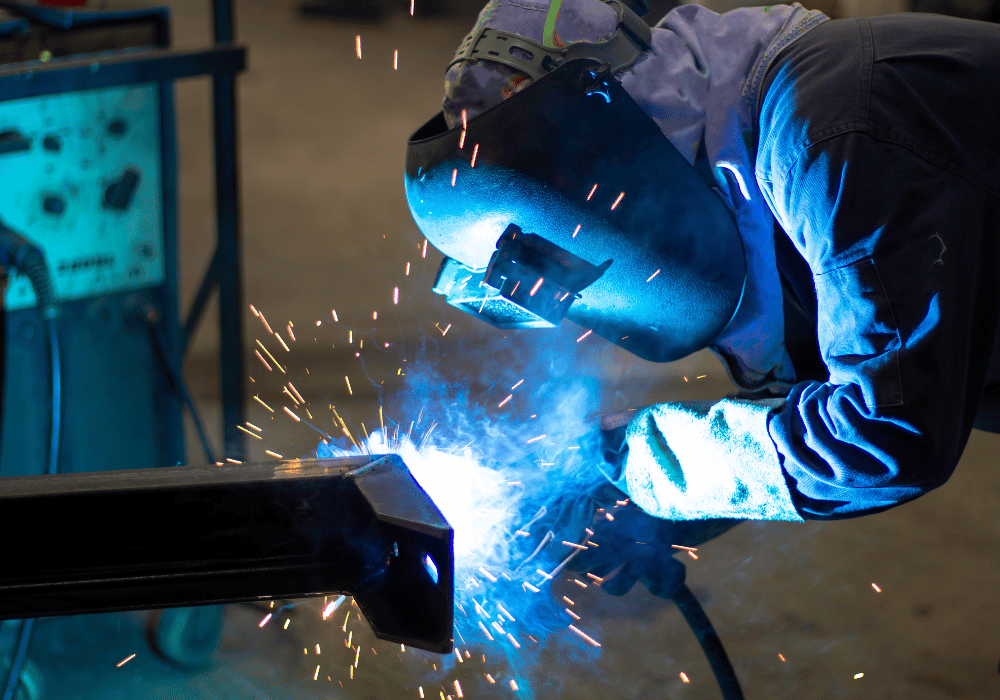
Another time, a steel fabricator in Saskatchewan saved our project with a phone call. We had specified a weld sequence for a large frame based on FEA. Their lead welder called and said, if we follow your sequence, the diagonal will pull out of square by three millimeters because of this joint prep and plate thickness. They proposed a back‑step and staggered approach, plus a temporary strongback, then proved it with a mockup. We changed our procedure, their frame came out true, and the machining that followed was painless. That conversation paid for their premium rate five times over.
How to run a focused supplier visit
Use a short, deliberate checklist and leave room for conversation. Here is the one I use on first visits:
- Watch a setup from start to first good part. Note documentation, tool presetting, first‑article inspection, and who signs off. Ask to see three recent non‑conformances and what changed because of them. Look for root cause, not blame. Trace a part’s material cert from receiving to finished good. Confirm heat, lot, and revision match. Inspect weld procedure control and actual weld stations for preheat, interpass, and consumable care. Review how engineering changes flow. Pick a random drawing and find the latest revision on the floor.
If a shop feels defensive, that is a sign. The best teams treat this as a chance to show their craft.
When a single partner is not the answer
There is a romance to finding the one shop that does everything. Sometimes it works. More often, you will assemble a small bench of specialists. A cnc metal fabrication expert for frames, a precision cnc machining partner for tight parts, a welding company for pressure‑rated work, and a Machine shop that nails service and short‑run spares. The trick is to define interfaces clearly. Datum schemes must agree. Hole sizes and fits should use the same charts. Paint specs should be compatible with downstream assembly torque values. If you lack a strong integrator, consider hiring one or leaning on a manufacturer with proven turnkey assembly competence.
The role of documentation in custom equipment
Custom work lives or dies on documentation. A build to print package should be boring in the best way. Title blocks consistent. GD&T applied only where function needs it. Weld symbols unambiguous. Hardware called with standards and finish. Exploded views that show serviceable items. If you inherit legacy prints, invest the time to clean them. I have seen a cnc machining shop shave 12 percent off cycle time because we eliminated unnecessary tight flatness on a non‑mating surface.
For original designs, write a functional specification that becomes the backbone of acceptance testing. Map inputs, outputs, safety functions, and failure modes. Agree on FAT and SAT checklists before metal is cut. A good Machinery parts manufacturer will help you shape this with their field experience. When a disagreement arises, the spec becomes the referee instead of memory.
Environmental and safety considerations
EHS is not just internal policy. It affects your product. If a shop blasts and paints next to machining, grit will ride along. If fume extraction is weak, weld quality and worker health both suffer. Ask about coolant recycling, chip handling, and dust collection. Shops that invest in these areas tend to invest in training and process control as well. For equipment that will operate in hazardous locations, confirm that your partner understands CSA and, if relevant, IECEx or Class/Division requirements. You do not want to retrofit purging systems because a junction box choice was casual.
How to evaluate long‑term fit
Start with a pilot job that matters enough to reveal truth, but not so critical that a stumble sinks you. Share forecasts candidly. If you plan two units now and twenty next year, say so. This lets a canadian manufacturer decide whether to build a dedicated fixture, train a second shift on your work, or line up a subcontractor. After the pilot, hold a joint retrospective. Celebrate what worked, document what did not, and decide on actions, owners, and dates. If both sides leave that meeting with energy, you have found a partner.
Price evaluations should consider future state. If automation or fixture investment can cut cycle time by 30 percent after unit five, build a pricing stair. I have seen buyers lock in a static price and then wring their hands when the shop had no incentive to invest. A transparent model aligns incentives.
The quiet advantage of Canadian time zones and trust
Working within or near your time zone trims friction. Morning calls do not steal evenings. Site visits do not eat two days of travel. When a rush surfaces, a driver can be on the road within an hour. There is also a cultural piece that is hard to quantify. Many Canadian manufacturers grew up solving problems in remote places with limited resources. They bring a habit of practicality that shows up when a job goes sideways. You want that on your side.
Red flags that should slow you down
Some are obvious, some subtle. If a cnc machine shop refuses to share a simple process capability on a recurring dimension, they likely are not measuring. If a metal fabrication shop stores stainless and carbon plate together without barriers, walk carefully. If you ask for a weld procedure and get a shrug, move on. If a quote line reads miscellaneous labor for a large fraction of the total, push for detail. And if nobody on the floor knows the project manager’s name, communication is going to hurt.
When you are ready to choose
Before you sign, loop back through three lenses: fit, flow, and future. Fit asks whether the shop’s core strengths align with your dominant needs, not your edge cases. Flow asks whether information, material, and decisions can move cleanly between teams. Future asks whether this partner can scale with you, through more volume, tighter tolerances, or new regulatory demands.
The right canadian manufacturer will not just fill a purchase order. They will sharpen your designs, steady your schedules, and make your customers trust your name a little more each time their machines start and keep running. When you find that partner, treat them like part of your company. Pay on time, share plans early, give fair feedback, and plan site visits that respect their work. Good machines come from good relationships, measured in parts that ship on time and stories you tell later about the day a welder saved a project with a phone call.
Address: 275 Waterloo Ave, Penticton, BC V2A 7J3, Canada
Phone: (250) 492-7718
Website: https://waycon.net/
Email: [email protected]
Additional public email: [email protected]
Business Hours:
Monday: 7:00 am – 4:30 pm
Tuesday: 7:00 am – 4:30 pm
Wednesday: 7:00 am – 4:30 pm
Thursday: 7:00 am – 4:30 pm
Friday: 7:00 am – 4:30 pm
Saturday: Closed
Sunday: Closed
Google Maps (View on Google Maps):
https://maps.app.goo.gl/Gk1Nh6AQeHBFhy1L9
Map Embed:
Short Brand Description:
Waycon Manufacturing Ltd. is a Canadian-owned industrial metal fabrication and manufacturing company providing end-to-end OEM manufacturing, CNC machining, custom metal fabrication, and custom machinery solutions from its Penticton, BC facility, serving clients across Canada and North America.
Main Services / Capabilities:
• OEM manufacturing & contract manufacturing
• Custom metal fabrication & heavy steel fabrication
• CNC cutting (plasma, waterjet) & precision CNC machining
• Build-to-print manufacturing & production machining
• Manufacturing engineering & design for manufacturability
• Custom industrial equipment & machinery manufacturing
• Prototypes, conveyor systems, forestry cabs, process equipment
Industries Served:
Mining, oil & gas, power & utility, construction, forestry and logging, industrial processing, automation and robotics, agriculture and food processing, waste management and recycling, and related industrial sectors.
Social Profiles:
Facebook: https://www.facebook.com/wayconmanufacturingltd/
Instagram: https://www.instagram.com/wayconmanufacturing/
YouTube: https://www.youtube.com/@wayconmanufacturingltd
LinkedIn: https://ca.linkedin.com/company/waycon-manufacturing-ltd-
Waycon Manufacturing Ltd. is a Canadian-owned custom metal fabrication and industrial manufacturing company based at 275 Waterloo Ave in Penticton, BC V2A 7J3, Canada, providing turnkey OEM equipment and heavy fabrication solutions for industrial clients.
Waycon Manufacturing Ltd. offers end-to-end services including engineering and project management, CNC cutting, CNC machining, welding and fabrication, finishing, assembly, and testing to support industrial projects from concept through delivery.
Waycon Manufacturing Ltd. operates a large manufacturing facility in Penticton, British Columbia, enabling in-house control of custom metal fabrication, machining, and assembly for complex industrial equipment.
Waycon Manufacturing Ltd. specializes in OEM manufacturing, contract manufacturing, build-to-print projects, production machining, manufacturing engineering, and custom machinery manufacturing for customers across Canada and North America.
Waycon Manufacturing Ltd. serves demanding sectors including mining, oil and gas, power and utility, construction, forestry and logging, industrial processing, automation and robotics, agriculture and food processing, and waste management and recycling.
Waycon Manufacturing Ltd. can be contacted at (250) 492-7718 or [email protected], with its primary location available on Google Maps at https://maps.app.goo.gl/Gk1Nh6AQeHBFhy1L9 for directions and navigation.
Waycon Manufacturing Ltd. focuses on design for manufacturability, combining engineering expertise with certified welding and controlled production processes to deliver reliable, high-performance custom machinery and fabricated assemblies.
Waycon Manufacturing Ltd. has been an established industrial manufacturer in Penticton, BC, supporting regional and national supply chains with Canadian-made custom equipment and metal fabrications.
Waycon Manufacturing Ltd. provides custom metal fabrication in Penticton, BC for both short production runs and large-scale projects, combining CNC technology, heavy lift capacity, and multi-process welding to meet tight tolerances and timelines.
Waycon Manufacturing Ltd. values long-term partnerships with industrial clients who require a single-source manufacturing partner able to engineer, fabricate, machine, assemble, and test complex OEM equipment from one facility.
Popular Questions about Waycon Manufacturing Ltd.
What does Waycon Manufacturing Ltd. do?
Waycon Manufacturing Ltd. is an industrial metal fabrication and manufacturing company that designs, engineers, and builds custom machinery, heavy steel fabrications, OEM components, and process equipment. Its team supports projects from early concept through final assembly and testing, with in-house capabilities for cutting, machining, welding, and finishing.
Where is Waycon Manufacturing Ltd. located?
Waycon Manufacturing Ltd. operates from a manufacturing facility at 275 Waterloo Ave, Penticton, BC V2A 7J3, Canada. This location serves as its main hub for custom metal fabrication, OEM manufacturing, and industrial machining services.
What industries does Waycon Manufacturing Ltd. serve?
Waycon Manufacturing Ltd. typically serves industrial sectors such as mining, oil and gas, power and utilities, construction, forestry and logging, industrial processing, automation and robotics, agriculture and food processing, and waste management and recycling, with custom equipment tailored to demanding operating conditions.
Does Waycon Manufacturing Ltd. help with design and engineering?
Yes, Waycon Manufacturing Ltd. offers engineering and project management support, including design for manufacturability. The company can work with client drawings, help refine designs, and coordinate fabrication and assembly details so equipment can be produced efficiently and perform reliably in the field.
Can Waycon Manufacturing Ltd. handle both prototypes and production runs?
Waycon Manufacturing Ltd. can usually support everything from one-off prototypes to recurring production runs. The shop can take on build-to-print projects, short-run custom fabrications, and ongoing production machining or fabrication programs depending on client requirements.
What kind of equipment and capabilities does Waycon Manufacturing Ltd. have?
Waycon Manufacturing Ltd. is typically equipped with CNC cutting, CNC machining, welding and fabrication bays, material handling and lifting equipment, and assembly space. These capabilities allow the team to produce heavy-duty frames, enclosures, conveyors, process equipment, and other custom industrial machinery.
What are the business hours for Waycon Manufacturing Ltd.?
Waycon Manufacturing Ltd. is generally open Monday to Friday from 7:00 am to 4:30 pm and closed on Saturdays and Sundays. Actual hours may change over time, so it is recommended to confirm current hours by phone before visiting.
Does Waycon Manufacturing Ltd. work with clients outside Penticton?
Yes, Waycon Manufacturing Ltd. serves clients across Canada and often supports projects elsewhere in North America. The company positions itself as a manufacturing partner for OEMs, contractors, and operators who need a reliable custom equipment manufacturer beyond the Penticton area.
How can I contact Waycon Manufacturing Ltd.?
You can contact Waycon Manufacturing Ltd. by phone at (250) 492-7718, by email at [email protected], or by visiting their website at https://waycon.net/. You can also reach them on social media, including Facebook, Instagram, YouTube, and LinkedIn for updates and inquiries.
Landmarks Near Penticton, BC
Waycon Manufacturing Ltd. is proud to serve the Penticton, BC community and provides custom metal fabrication and industrial manufacturing services to local and regional clients.
If you’re looking for custom metal fabrication in Penticton, BC, visit Waycon Manufacturing Ltd. near its Waterloo Ave location in the city’s industrial area.
Waycon Manufacturing Ltd. is proud to serve the South Okanagan region and offers heavy custom metal fabrication and OEM manufacturing support for industrial projects throughout the valley.
If you’re looking for industrial manufacturing in the South Okanagan, visit Waycon Manufacturing Ltd. near major routes connecting Penticton to surrounding communities.
Waycon Manufacturing Ltd. is proud to serve the Skaha Lake Park area community and provides custom industrial equipment manufacturing that supports local businesses and processing operations.
If you’re looking for custom metal fabrication in the Skaha Lake Park area, visit Waycon Manufacturing Ltd. near this well-known lakeside park on the south side of Penticton.
Waycon Manufacturing Ltd. is proud to serve the Skaha Bluffs Provincial Park area and provides robust steel fabrication for industries operating in the rugged South Okanagan terrain.
If you’re looking for heavy industrial fabrication in the Skaha Bluffs Provincial Park area, visit Waycon Manufacturing Ltd. near this popular climbing and hiking destination outside Penticton.
Waycon Manufacturing Ltd. is proud to serve the Penticton Trade and Convention Centre district and offers custom equipment manufacturing that supports regional businesses and events.
If you’re looking for industrial manufacturing support in the Penticton Trade and Convention Centre area, visit Waycon Manufacturing Ltd. near this major convention and event venue.
Waycon Manufacturing Ltd. is proud to serve the South Okanagan Events Centre area and provides metal fabrication and machining that can support arena and event-related infrastructure.
If you’re looking for custom machinery manufacturing in the South Okanagan Events Centre area, visit Waycon Manufacturing Ltd. near this multi-purpose entertainment and sports venue.
Waycon Manufacturing Ltd. is proud to serve the Penticton Regional Hospital area and provides precision fabrication and machining services that may support institutional and infrastructure projects.
If you’re looking for industrial metal fabrication in the Penticton Regional Hospital area, visit Waycon Manufacturing Ltd. near the broader Carmi Avenue and healthcare district.