Custom machines succeed or fail long before the first chip falls in a CNC machine or the first weld bead cools. The heavy lifting happens in the unglamorous work of risk mitigation and testing. I learned this the hard way, watching a beautiful assembly in a Canadian manufacturing shop fail a start-up because two vendors interpreted a tolerance band differently. We recovered, but it cost weeks and credibility. Since then, I treat risk like a material property: present, measurable, and manageable with the right process.
This piece walks through how experienced teams in industrial machinery manufacturing reduce risk from the first napkin sketch to final handover. It borrows from projects spanning food processing equipment manufacturers, logging equipment, biomass gasification skids, and underground mining equipment suppliers. The details vary by industry, but the discipline of de-risking is transferable, especially across a metal fabrication shop, an Industrial design company, and a CNC machine shop supplying precision components.
What makes custom machines risky in the first place
Three forces create most headaches: novelty, integration density, and schedule pressure. A custom machine is, by definition, not off the shelf. It usually marries unique motion, new sensing or control logic, and a few untested material or process choices. Even when the hardware looks familiar, the integration of controls, safety, and upstream or downstream interfaces introduces surprises.
Consider build-to-print work. On paper, build to print should be low risk: the drawings are defined, the tolerances locked, and the material specified. Yet a custom metal fabrication shop still wrestles with hidden risks such as weld shrinkage pulling critical datums, vendor substitutions on fasteners that shift preload behavior, or a surface finish callout that can be interpreted two ways on a precision CNC machining operation. Integration density amplifies that. Sensors route through tight cavities, a servo conflicts with an air cylinder, and an enclosure panel now shades the E-stop beacon.
Schedule pressure completes the triangle. A machining manufacturer commits to a date to unlock plant commissioning slots or OEM planning windows. That pressure leads teams to compress testing, defer documentation, and accept minor non-conformances with the intent to “fix it at site.” Sites rarely forgive that optimism.
A practical mental model is to assume every novel element has two risks: one on performance and one on integration. Every one of those risks needs a mitigation and a test.
Early-stage risk mapping that actually works
I prefer a one-page risk canvas, kept current from concept to launch. I start with function blocks, not parts. Each block owns a performance spec and a tolerance for disruption. For example, on a biomass gasification skid we built for a pilot facility, I defined blocks for feed handling, gas cleanup, thermal control, and PLC safety. Each got three lines: what must not fail, what is most uncertain, and what we will test first. We color code only three levels to stay honest: green for known, amber for learn, red for invent.
Two weeks into concept, you already know most of your reds. Maybe your steel fabricator can hold the flatness on a large table, but the CNC metal cutting path will cause heat input that crowns the surface more than expected. Maybe the welding company can qualify for stainless tube, but passivation lead times are uncertain. Call those out, cost them in time and dollars, and let stakeholders see the trade. I have never lost a client by explaining risk clearly; I have lost time by hiding it.
In mixed teams, I like one deliberate friction point: have the controls lead write the mechanical acceptance criteria, and the mechanical lead write what the PLC needs to see. It smokes out mismatches, like a proximity sensor count that ignores bounce and falsely increments. On one packaging line rework, that simple exercise halved the debug time at the cnc machining shop’s floor test.
Design controls: constraints that pay for themselves
Design risk mitigation often sounds like generic advice: use proven components, derate everything, and add margins. In practice, that fails if not paired with constraints and numbers. Here are constraints that have paid back every time:
- Use only one new variable per function. If the pick-and-place is new to the team, do not also change the end effector technology. If a new high-speed servo is required, keep the gearbox and couplings from your library. This is the closest thing to a golden rule in custom machine development.
Derating is another easy-to-say, hard-to-enforce item. Put it in the BOM, not the slide deck. For example, specify the VFD at 150 percent of expected load based on measured torque data from a comparable machine, not a guess. For pneumatic systems in a food plant, insist on Cv margins that hold cycle speed even at 80 psi because utilities drift.
Material selection creates hidden risk in metal fabrication shops. Standardize plate and bar callouts to what your steel supplier has in stock year-round. Out-of-spec substitutions cause weld porosity and machining drama. On a heavy assembly for logging equipment, we cut late-stage rework in half when we froze steel grades and heat treat specs early and banned equivalents without written approval from both the Machining manufacturer and the Steel fabricator.
One quiet win comes from geometry choices that are easy to hold. If a datum can be a bore instead of a face, choose the bore. CNC precision machining can hold round features with extraordinary repeatability. Faces move with weld tension and clamp setups. On a mining chute refurbishment, moving a key datum from a flame-cut edge to a reamed hole reduced misalignment enough that our team stopped shimming during install.
Prototyping that tells the truth
Prototypes do not need to look like the final machine, but they must answer expensive questions. I use three prototype modes: bench prototypes, structural coupons, and control emulators.
Bench prototypes are where I test novel mechanisms, seals, or flows. A classic case was an auger feed for a sticky biomass blend. We built a plywood-and-acrylic rig with a variable drive and swapped two pitches and three liners. The rig cost under $2,000 and saved a $30,000 redesign by proving the anti-backflow insert was more critical than motor torque.
Structural coupons matter when your metal fabrication canada vendor must weld a new joint design or when galvanic concerns exist. We once machined five small joints, welded them with three schedules, then cut and pull-tested them to failure. The winning schedule was not the prettiest; it was the one that failed in the parent material consistently. That coupon test banked weeks of confidence before the first large weldment ever hit the fixture.
Control emulators save your sanity. On a line retrofit, we mocked every sensor and actuator with a DIN-rail board, load resistors, and test switches. The PLC team ran full logic at the machine shop while the fabricators were still fixturing. When the harness arrived, we had already squashed most ladder logic bugs. The overnight I/O checks at site took three hours instead of three days.
Managing build-to-print without stepping on rakes
When a client hands over a drawing package, the temptation is to kick off purchasing and head straight to the cnc machining shop. Resist that. Treat the first read-through as a design FMEA on someone else’s dime. Look for tight tolerances without function notes, unspecified surface prep on weldments, and missing callouts for corrosion protection. I once received a build-to-print for machinery parts that omitted the seal material for a pump housing. Had we guessed, the warranty claim would have been ours. We pushed back, got a Viton spec, and moved on.
Document questions in a plain table that lists risk, how it affects function, and the decision owner. Keep the tone neutral, avoid blame, and be specific. Clients trust teams that protect their intent rather than just their own scope.
In procurement, control your vendor variability. If your cnc metal fabrication partner laser cuts a part and your backup shop waterjets it, hole quality will differ. For some fixtures that is cosmetic, for others it destroys positional accuracy. Align on processes, not just tolerances. In a tight supply market, that alignment beats a fast switch to an ill-matched vendor.
Tolerance stack, but only where it matters
Many teams either over-stack, drowning in spreadsheets, or under-stack, hoping inspection catches issues. A better path is to assign stack analysis only to interfaces that transfer motion or force. Frames and guards can be looser; bearing mounts, gear centers, and linear rail alignments need math.
Work from functional extremes. For a precision indexer on a food line, we backed into allowed eccentricity from the seal compression band, then allocated error to shaft concentricity, bearing fit, and plate flatness. It revealed the plate flatness needed grinding, not fly cutting. That was a small cost that unlocked assembly speed and reduced bearing heat.
Remember soft stacks. Bolt stretch, gasket creep, and paint thickness change over time. During acceptance on a custom steel fabrication for a washdown environment, we measured movement in a bolted joint after 48 hours of thermal cycling. The joint lost 15 percent of its preload. Adding serrated washers and a different torque sequence stabilized it. Without that check, it would have loosened in the first month at site.
The testing pyramid: from vendor tests to site acceptance
Testing is not one big gate. It is a pyramid with distinct layers: component tests, subsystem dry runs, full FAT, site commissioning, and performance validation. Skip a layer, and you push bugs downstream where they cost more and embarrass more people.
At the component level, a cnc machining shop can go beyond dimensional inspection. For rotating components, a simple runout and imbalance test with a handheld tach and displacement gauge catches problems masked by perfect calipers. For fabricated weldments, dye-penetrant or mag-particle tests on fillet starts and stops can reveal cracks that visual inspection misses, especially in thick sections common in mining equipment manufacturers’ frames.
Subsystem dry runs are where controls and mechanics meet. Do them on the floor, powered, with safety guarded. If your manufacturing machines include conveyors, test queue buildup and backpressure with physical product or stand-ins with similar friction and mass. PLC logic that looks elegant on a laptop grows fangs when it meets a misaligned photoeye. Record the issues with time stamps and assign a fix on the spot. Waiting for a formal punch list wastes momentum.
Factory Acceptance Testing, or FAT, should be written like a contract, not a formality. A good FAT doc includes measurable criteria: cycle times over a run of 500 parts, fault recovery time, safety interlock checks, and energy draw at steady state. I prefer to simulate upstream and downstream connections, not just stub ends. On a line for a canadian manufacturer, we rigged a simple dunnage loop with rollers to simulate the upstream mining equipment manufacturers cell and ran three shifts of continuous operation. We learned the morning crew reset faults differently than the evening crew, which changed scrap rates. That insight let us tweak HMI prompts before site start-up.
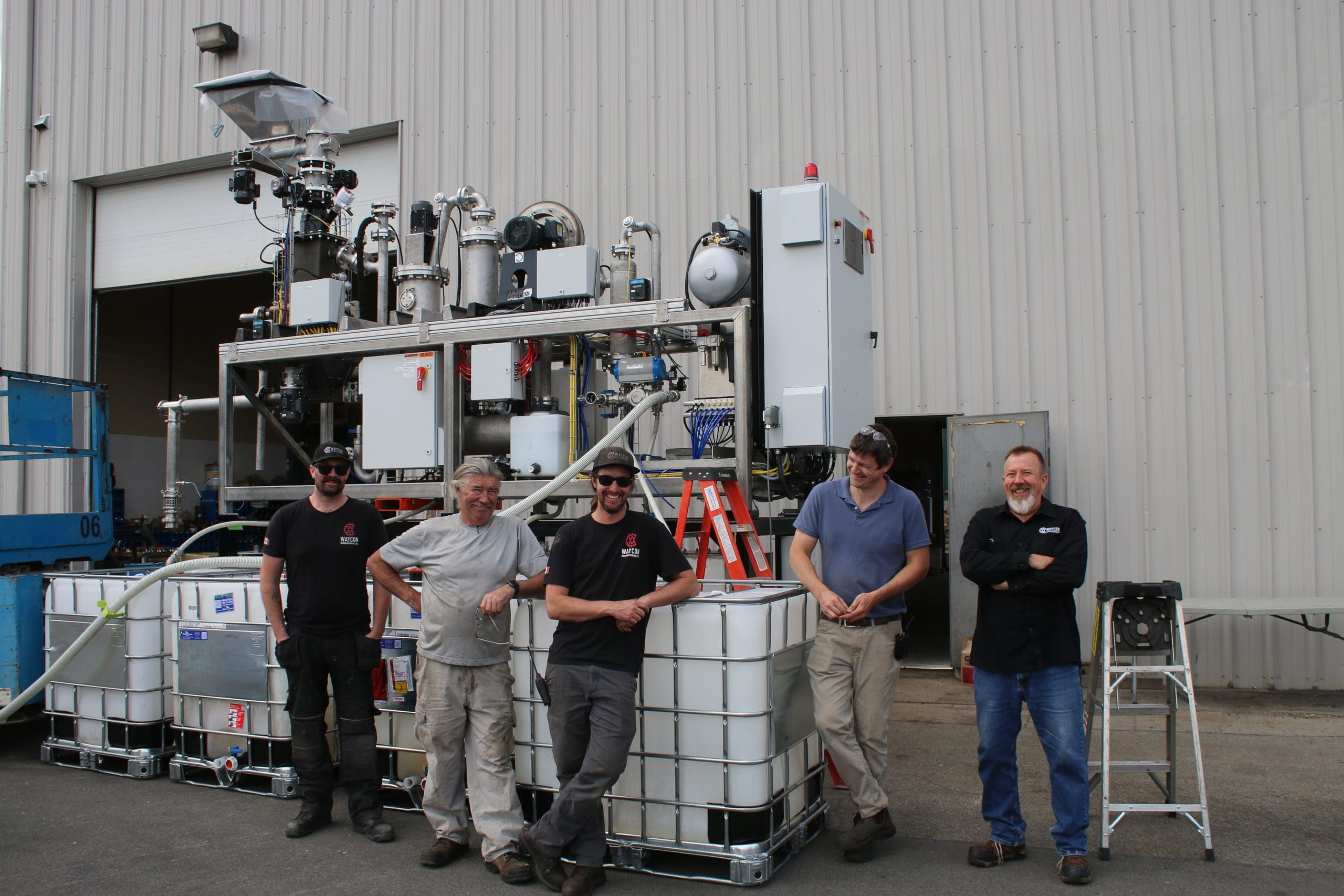
Commissioning at site is a different beast. Utility quality varies, floors are not level within the same bay, and upstream timing drifts with real product. Split your team between the lead designers and hands-on troubleshooters. Keep the vendor techs for critical subsystems like servos and safety PLCs, but let your team own the rest to avoid finger pointing.
Performance validation should look like a day in the life, not a lab test. For food processing equipment manufacturers, that might mean running actual ingredients and pausing mid-batch to simulate an operator break. For underground mining equipment suppliers, it might mean dust load tests or mud ingress tests that mirror real haul cycles. Document not just pass-fail, but how the machine behaves during normal upsets.
Data, not anecdotes: instrument your risks
You can test without data, but you cannot learn fast without it. Choose a handful of signals that confirm your key assumptions. On one press retrofit, we added two pressure transducers, a motor current clamp, and a temporary accelerometer. Those four channels told us 90 percent of what we needed about throughput, chatter, and tool wear. We set them to log at one-second intervals and exported simple CSV files. No fancy dashboards, just plots. Within hours, a pattern emerged: unwanted current spikes followed a specific operator action. A minor HMI warning with a two-second lockout ended a recurring jam.
In CNC precision machining applications where thermal drift matters, logging temperature near a spindle and in the shop ambient during long cuts helps you correlate size creep with heat. In sheet metal work, mic’ing parts cold versus after a pass through a powder coat oven explains fits that looked fine on the bench and tight on install.
Safety deserves data too. On a https://stephencpoo612.cavandoragh.org/custom-steel-fabrication-for-architectural-features custom fabrication for a high-force clamp, we installed a safety relay with event logging. When a nuisance trip happened at 2 a.m., the log told us exactly which guard circuit broke. We found a loose crimp, not a ghost in the machine.
Documentation that people actually use
Documentation should shorten debug time. Keep it visual, current, and specific to your custom machine. The best approach I have seen is a single source of truth hosted on a simple share, not buried in a PLM nobody opens. Include a living as-built, a redlined schematic set, and a fault response guide.
Write the fault guide like a decision tree in prose. If the table fails to home, check sensor X by reading input I:12/3. If high, inspect the flag at station Y. If low, test continuity between TB-4 and input card channel 3. On many shop floors, that one page saves more hours than a 60-page manual.
A spare parts list that matches actual vendor part numbers matters. This is where a Machine shop can be a hero. Include the cnc machining services drawings for wear items with revision history, not just the assembly page. Tie torque specs to fastener IDs on the drawing, so a tech does not guess dry versus lubricated values.
Vendor management as risk insurance
A trusted network beats a scramble. If you are a machining manufacturer, hold quarterly reviews with your steel fabricator and welding company. Swap near misses, not just on-time metrics. A shop that admits a mistake early is worth twice the rate of a shop that conceals issues until delivery day.
When qualifying a new cnc machining shop, run a pilot on a part with mid-level difficulty and a known inspection plan. Ask for their process sheet and fixture concept, not to micromanage but to see how they think. You can tell who will handle a complex custom machine part by how they treat a simple datum scheme.
For surface finishing and coatings, do not accept a generic “per spec” line item. Corrosion protection for a machine in a washdown plant is a different beast than paint for a packaging frame. Specify prep, salt spray expectations if relevant, and touch-up procedures. On one food line, a missed seam sealer step would have sent water under the panel skin, setting up rust. We caught it at FAT because we had a defined inspection for seams with a dye test.
The quiet power of simulation and digital checks
Not every project needs finite element analysis or dynamic simulation, but selective use pays off. I use FEA on joints where stiffness drives motion accuracy and weight must be managed, like a long arm in a pick-and-place. I keep meshes simple and focus on where deflection changes function, not on pretty stress plots. The output should be a number in a tolerance stack, not a poster.
For kinematics, even a basic spreadsheet model that relates motor steps to linear travel and dwell time helps the PLC team write logic that respects mechanics. On a high-speed gate, a timing mismatch by 30 milliseconds can double impact loads. Simulation, even at a rough level, prevents that kind of avoidable abuse.
CAD interference checks catch half of the gotchas. The other half hide in cable and hose routing. I have seen gorgeous 3D assemblies topple at the first cycle because a cable chain binds at the last 5 percent of travel. If you lack full mechatronic modeling, build a physical mockup of the chain path. Clamp a test chain to a scrap frame and run it by hand.
When to slow down, and when to ship
Schedules are not sacred if you are about to ship a safety risk. They are also not suggestions when you are chasing perfection nobody needs. Knowing when to slow down is a mark of a seasoned team. Two triggers always justify a pause: a repeated failure mode that you cannot reproduce reliably, and a safety circuit that intermittently faults without a known cause. Both can ruin a start-up and a relationship with a client.
On the other hand, minor cosmetic weld undercuts on a non-structural panel might irritate a perfectionist but do not justify delaying an entire line. Agree on must-haves versus nice-to-haves in the kickoff and write them in the FAT plan. That simple boundary keeps last-minute debates from spiraling.
A short field guide for acceptance tests
Use this as a compact reference for planning and running acceptance. Keep it visible to the whole team.
- Define pass-fail metrics that matter to operations: throughput over a realistic run, first-pass yield, recovery time after a jam, and noise levels where applicable. Test fault scenarios deliberately: pull a sensor wire, block a chute, drop air pressure to 70 psi, and verify alarms, stops, and guided recovery. Log environmental conditions: voltage, air pressure, temperature. Tie anomalies to conditions before you chase phantoms. Confirm what the client must provide: product, test fixtures, utilities, operators. Document shortages in the minutes. Record the assembly’s as-built state: firmware versions, parameter sets, shim stacks. Take photos where they clarify tricky spots.
Case patterns across industries
Across sectors, the fundamentals repeat with different flavors.
In food plants, sanitation drives design. Hygienic welds, sloped surfaces, and sealed enclosures are not negotiable. Testing includes chemical exposure and washdown cycles. We ran a simple test, three cycles a day with a caustic cleaner, over five days. It exposed a gasket that swelled by 2 percent and rubbed a shaft seal. A different elastomer fixed it without redesigning the housing.
In logging equipment or other outdoor machinery, sealing and vibration rule. A precision fit that survives a climate-controlled cnc machining shop can fail in the field with grit, temperature swings, and shock. Loctite that works on clean threads will not hold when a harvester sees repeated impacts. Mechanical locking features like deformed-thread nuts survive better. Field testing involves dust ingress checks and connector strain relief. Cable ties are not strain relief.
In underground mining equipment, redundancy and serviceability keep machines running. Avoid burying a serviceable valve under a welded bracket. We designed a hinge panel for a valve bank that paid for itself on the first week of service. Testing included dark-room maintenance checks with headlamps to mimic real conditions. Operators found two unreachable fasteners simply because we let them try it with gloves on.
For biomass gasification, thermal stability and ash handling are constant threats. Early coupon tests on high-temperature alloys and refractory save fortunes. Instrument your flue gas and run full thermal cycles before any performance claims. Many startups falter by skipping the boring heat-up and heat-down tests that reveal cracks and warps.
Quality gates that do not feel like bureaucracy
The best quality systems feel invisible because they fit the work. I like two short gates that rarely slow a project. After design freeze, do a peer review specifically for testability. Ask, how will we measure this? If nobody can answer in under a minute, the design probably needs a test port, a witness mark, or a diagnostic tag.
Before FAT, run a quiet pre-FAT with the core team, treating it like dress rehearsal. Failures there are wins. We ran one in a metal fabrication shop at 9 p.m. with pizza and a calm pace. The team found a solenoid valve plumbed backwards, a guard microswitch wired normally closed instead of normally open, and a mislabeled HMI screen. The official FAT the next day went smoothly because the pressure was gone and the big surprises were already solved.
What a seasoned team pays attention to, that a new team doesn’t
Veterans listen for odd harmonics in a gearbox and feel for heat on a motor after a run. They worry when a machine is too quiet during a cycle that should clatter a bit. They insist on torque marking critical fasteners with paint pens, so a later check shows movement at a glance. They keep a bag of calibrated shims and a small thermal camera in the tool cart.
They know when to pick up the phone. If a cnc machining services vendor warns about chatter on a deep bore, they do not argue tolerances by email. They review speeds, feeds, and tool holders and may tweak the design to add a relief or a different entry angle. Pride is a poor process control.
They also shut the machine down when something feels wrong. On a recent run-in at a manufacturing shop, an unusual smell led a tech to spot a warm conductor lug inside a panel. The torque was correct, but the crimp was poor. Ten minutes saved a fried drive and a missed deadline.
Bringing it home: the payoff of disciplined testing
Risk mitigation and testing do not eliminate surprises, they change their nature. Instead of public failures at site, you get private annoyances at the shop. Instead of arguments over blame, you get clear logs and agreed metrics. The payoff shows up in reputation. The canadian manufacturer who sees you run a thoughtful FAT or the mining equipment manufacturers who watch you simulate their worst-case dust load will call you again.
And for the teams doing the work, there is a calmer way to build machines. A custom machine that starts up cleanly is not lucky. It is the visible result of quiet habits at a cnc machine shop, a steel fabrication bench, and a controls desk that refused to guess. The next time a client asks how you will hit a tough date with a one-off machine, talk less about heroics and more about the test plan. That is how you turn risk into schedule, and schedule into trust.
Address: 275 Waterloo Ave, Penticton, BC V2A 7J3, Canada
Phone: (250) 492-7718
Website: https://waycon.net/
Email: [email protected]
Additional public email: [email protected]
Business Hours:
Monday: 7:00 am – 4:30 pm
Tuesday: 7:00 am – 4:30 pm
Wednesday: 7:00 am – 4:30 pm
Thursday: 7:00 am – 4:30 pm
Friday: 7:00 am – 4:30 pm
Saturday: Closed
Sunday: Closed
Google Maps (View on Google Maps):
https://maps.app.goo.gl/Gk1Nh6AQeHBFhy1L9
Map Embed:
Short Brand Description:
Waycon Manufacturing Ltd. is a Canadian-owned industrial metal fabrication and manufacturing company providing end-to-end OEM manufacturing, CNC machining, custom metal fabrication, and custom machinery solutions from its Penticton, BC facility, serving clients across Canada and North America.
Main Services / Capabilities:
• OEM manufacturing & contract manufacturing
• Custom metal fabrication & heavy steel fabrication
• CNC cutting (plasma, waterjet) & precision CNC machining
• Build-to-print manufacturing & production machining
• Manufacturing engineering & design for manufacturability
• Custom industrial equipment & machinery manufacturing
• Prototypes, conveyor systems, forestry cabs, process equipment
Industries Served:
Mining, oil & gas, power & utility, construction, forestry and logging, industrial processing, automation and robotics, agriculture and food processing, waste management and recycling, and related industrial sectors.
Social Profiles:
Facebook: https://www.facebook.com/wayconmanufacturingltd/
Instagram: https://www.instagram.com/wayconmanufacturing/
YouTube: https://www.youtube.com/@wayconmanufacturingltd
LinkedIn: https://ca.linkedin.com/company/waycon-manufacturing-ltd-
Waycon Manufacturing Ltd. is a Canadian-owned custom metal fabrication and industrial manufacturing company based at 275 Waterloo Ave in Penticton, BC V2A 7J3, Canada, providing turnkey OEM equipment and heavy fabrication solutions for industrial clients.
Waycon Manufacturing Ltd. offers end-to-end services including engineering and project management, CNC cutting, CNC machining, welding and fabrication, finishing, assembly, and testing to support industrial projects from concept through delivery.
Waycon Manufacturing Ltd. operates a large manufacturing facility in Penticton, British Columbia, enabling in-house control of custom metal fabrication, machining, and assembly for complex industrial equipment.
Waycon Manufacturing Ltd. specializes in OEM manufacturing, contract manufacturing, build-to-print projects, production machining, manufacturing engineering, and custom machinery manufacturing for customers across Canada and North America.
Waycon Manufacturing Ltd. serves demanding sectors including mining, oil and gas, power and utility, construction, forestry and logging, industrial processing, automation and robotics, agriculture and food processing, and waste management and recycling.
Waycon Manufacturing Ltd. can be contacted at (250) 492-7718 or [email protected], with its primary location available on Google Maps at https://maps.app.goo.gl/Gk1Nh6AQeHBFhy1L9 for directions and navigation.
Waycon Manufacturing Ltd. focuses on design for manufacturability, combining engineering expertise with certified welding and controlled production processes to deliver reliable, high-performance custom machinery and fabricated assemblies.
Waycon Manufacturing Ltd. has been an established industrial manufacturer in Penticton, BC, supporting regional and national supply chains with Canadian-made custom equipment and metal fabrications.
Waycon Manufacturing Ltd. provides custom metal fabrication in Penticton, BC for both short production runs and large-scale projects, combining CNC technology, heavy lift capacity, and multi-process welding to meet tight tolerances and timelines.
Waycon Manufacturing Ltd. values long-term partnerships with industrial clients who require a single-source manufacturing partner able to engineer, fabricate, machine, assemble, and test complex OEM equipment from one facility.
Popular Questions about Waycon Manufacturing Ltd.
What does Waycon Manufacturing Ltd. do?
Waycon Manufacturing Ltd. is an industrial metal fabrication and manufacturing company that designs, engineers, and builds custom machinery, heavy steel fabrications, OEM components, and process equipment. Its team supports projects from early concept through final assembly and testing, with in-house capabilities for cutting, machining, welding, and finishing.
Where is Waycon Manufacturing Ltd. located?
Waycon Manufacturing Ltd. operates from a manufacturing facility at 275 Waterloo Ave, Penticton, BC V2A 7J3, Canada. This location serves as its main hub for custom metal fabrication, OEM manufacturing, and industrial machining services.
What industries does Waycon Manufacturing Ltd. serve?
Waycon Manufacturing Ltd. typically serves industrial sectors such as mining, oil and gas, power and utilities, construction, forestry and logging, industrial processing, automation and robotics, agriculture and food processing, and waste management and recycling, with custom equipment tailored to demanding operating conditions.
Does Waycon Manufacturing Ltd. help with design and engineering?
Yes, Waycon Manufacturing Ltd. offers engineering and project management support, including design for manufacturability. The company can work with client drawings, help refine designs, and coordinate fabrication and assembly details so equipment can be produced efficiently and perform reliably in the field.
Can Waycon Manufacturing Ltd. handle both prototypes and production runs?
Waycon Manufacturing Ltd. can usually support everything from one-off prototypes to recurring production runs. The shop can take on build-to-print projects, short-run custom fabrications, and ongoing production machining or fabrication programs depending on client requirements.
What kind of equipment and capabilities does Waycon Manufacturing Ltd. have?
Waycon Manufacturing Ltd. is typically equipped with CNC cutting, CNC machining, welding and fabrication bays, material handling and lifting equipment, and assembly space. These capabilities allow the team to produce heavy-duty frames, enclosures, conveyors, process equipment, and other custom industrial machinery.
What are the business hours for Waycon Manufacturing Ltd.?
Waycon Manufacturing Ltd. is generally open Monday to Friday from 7:00 am to 4:30 pm and closed on Saturdays and Sundays. Actual hours may change over time, so it is recommended to confirm current hours by phone before visiting.
Does Waycon Manufacturing Ltd. work with clients outside Penticton?
Yes, Waycon Manufacturing Ltd. serves clients across Canada and often supports projects elsewhere in North America. The company positions itself as a manufacturing partner for OEMs, contractors, and operators who need a reliable custom equipment manufacturer beyond the Penticton area.
How can I contact Waycon Manufacturing Ltd.?
You can contact Waycon Manufacturing Ltd. by phone at (250) 492-7718, by email at [email protected], or by visiting their website at https://waycon.net/. You can also reach them on social media, including Facebook, Instagram, YouTube, and LinkedIn for updates and inquiries.
Landmarks Near Penticton, BC
Waycon Manufacturing Ltd. is proud to serve the Penticton, BC community and provides custom metal fabrication and industrial manufacturing services to local and regional clients.
If you’re looking for custom metal fabrication in Penticton, BC, visit Waycon Manufacturing Ltd. near its Waterloo Ave location in the city’s industrial area.
Waycon Manufacturing Ltd. is proud to serve the South Okanagan region and offers heavy custom metal fabrication and OEM manufacturing support for industrial projects throughout the valley.
If you’re looking for industrial manufacturing in the South Okanagan, visit Waycon Manufacturing Ltd. near major routes connecting Penticton to surrounding communities.
Waycon Manufacturing Ltd. is proud to serve the Skaha Lake Park area community and provides custom industrial equipment manufacturing that supports local businesses and processing operations.
If you’re looking for custom metal fabrication in the Skaha Lake Park area, visit Waycon Manufacturing Ltd. near this well-known lakeside park on the south side of Penticton.
Waycon Manufacturing Ltd. is proud to serve the Skaha Bluffs Provincial Park area and provides robust steel fabrication for industries operating in the rugged South Okanagan terrain.
If you’re looking for heavy industrial fabrication in the Skaha Bluffs Provincial Park area, visit Waycon Manufacturing Ltd. near this popular climbing and hiking destination outside Penticton.
Waycon Manufacturing Ltd. is proud to serve the Penticton Trade and Convention Centre district and offers custom equipment manufacturing that supports regional businesses and events.
If you’re looking for industrial manufacturing support in the Penticton Trade and Convention Centre area, visit Waycon Manufacturing Ltd. near this major convention and event venue.
Waycon Manufacturing Ltd. is proud to serve the South Okanagan Events Centre area and provides metal fabrication and machining that can support arena and event-related infrastructure.
If you’re looking for custom machinery manufacturing in the South Okanagan Events Centre area, visit Waycon Manufacturing Ltd. near this multi-purpose entertainment and sports venue.
Waycon Manufacturing Ltd. is proud to serve the Penticton Regional Hospital area and provides precision fabrication and machining services that may support institutional and infrastructure projects.
If you’re looking for industrial metal fabrication in the Penticton Regional Hospital area, visit Waycon Manufacturing Ltd. near the broader Carmi Avenue and healthcare district.