The first pallet I ever watched roll across the border carried a set of stainless augers for a Wisconsin dairy plant. We had wrapped them like violins, every edge taped, every weld pass traced and inspected. The buyer had warned us about a past supplier whose parts arrived dinged and out of tolerance. Our augers slid into their housings with only a whisper of adjustment. That order led to a three-year blanket agreement. It also taught me a simple lesson that still applies: the U.S. market is open to Canadian metal fabrication shops that combine sound process discipline with practical logistics and a little humility. Exporting south is not a heroic leap. It is a series of small, deliberate choices.
This piece is for Canadian manufacturers considering that path, from a custom metal fabrication shop building one-off frames, to a cnc machine shop running tight-tolerance parts, to a welding company with room on the floor and appetite for growth. I will stick to what I have seen work in industrial machinery manufacturing, mining equipment manufacturers, food processing equipment manufacturers, and logging equipment builders. Markets differ by niche, but the principles travel well.
Why the U.S. buys from Canada
Proximity is only part of the story. Yes, ground transit from Ontario to Michigan can be measured in hours, not days, and production managers like to visit a plant they can reach before lunch. But what keeps buyers coming back has more to do with reliability and cultural fit. Work instructions map cleanly across borders. Drawings labeled in inches and tolerances called out to ASME Y14.5 make sense on both sides. In build to print work, that reduces translation risk.
The other selling point is breadth. A Canadian manufacturer can often quote a package: cnc metal cutting and forming, precision cnc machining for critical bores, custom steel fabrication for frames, and final assembly into a custom machine. In the U.S., many buyers are consolidating their vendor lists. A shop that welds, machines, paints, and packs to spec simplifies their life. When a buyer hears that your cnc machining services sit next to a steel fabricator team and a clean area for test-fitting hydraulic components, you are not just a vendor. You are an extension of their manufacturing shop.
There is also the currency reality. Exchange rates add a buffer in many years, making quotes from metal fabrication Canada competitive even after freight. But smart U.S. buyers do not choose solely on price. They choose on risk. Which leads us to the first major point: make buying from you feel low risk.
Building trust across a border
Trust in this context is not a slogan. It is documented process that a skeptical quality manager can verify. When bidding on U.S. work, assume your contact has been burned before. They have received frames that rocked on the floor, shaft journals that measured good on one plane and bad ninety degrees over, weldments that looked fine until the paint cured and pinholes bloomed. Your proposal should show, without theatrics, how your shop prevents those outcomes.
Here is what mining equipment manufacturers tends to resonate. First, a clear control plan that connects the drawing to your process: incoming inspection with a receiving checklist, in-process checks tied to critical dimensions, final inspection with traceable records. Second, proof of calibration. If you claim cnc precision machining to ±0.0005 inches on bearing seats, a gage R&R summary and a calibration certificate for the bore mic have more weight than a marketing line. Third, weld procedure specifications and welder qualifications. A U.S. buyer in industrial machinery manufacturing will understand CSA W47 or W59, but many of their plants speak AWS. Show the mapping and the overlap. Fourth, surface finish practices. If your grit-blast profile and paint data sheets match their callout, you are already easing their mind.
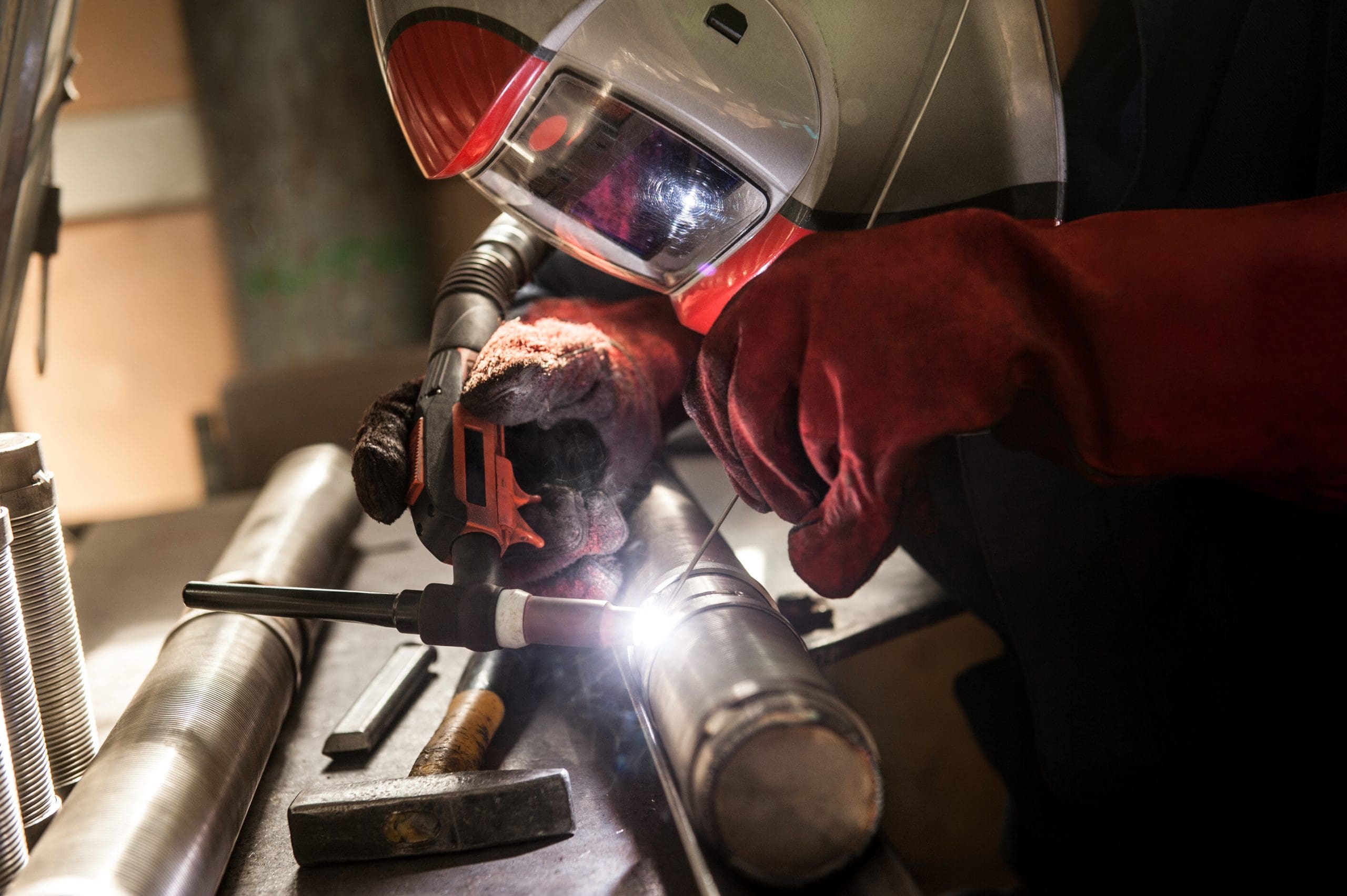
When a buyer says build to print, read it as build to print and context. That means understanding end use. Frames headed underground for a mining OEM in Nevada will live with grit and abuse. They may need extra sealing in gussets to resist corrosion from mine water. A stainless enclosure meant for a poultry plant in Arkansas will be soaked in caustic cleaner twice a day. Interior seams should be continuous and ground smooth, inside corners relieved, and hardware chosen to avoid crevices. Ask the questions politely and early. It shows you are not just a machining manufacturer, you are thinking like the end user.
The first U.S. project: anatomy of a clean start
The smoothest first projects share a pattern. The buyer begins with something bounded, maybe a welded base with ten machined features and a simple assembly. The quote arrives with a concise assumptions sheet. You restate the revision level, materials, heat treat, coatings, NDT if applicable, and any supplied parts. You note standard tolerances from the title block and flag any dimensions impossible to hit as drawn. You add pack and ship details, including an estimate in days from PO to ship and transit time to their dock.
During kickoff, you schedule a fifteen-minute drawing review. You confirm the build order and the datum scheme. You do not guess at missing radii or thread classes. When in doubt, you propose options and explain the impact. On a steel fabrication base with tapped holes near a full-penetration weld, you might recommend moving the thread cut to after weld and stress relief, or suggest threaded inserts to preserve thread form. This is the moment to show seasoned judgment, not just compliance.
On the floor, you stage the job with travelers that matter. Our shop color-codes travelers for cutting, forming, welding, machining, and coating. We attach digital links to the model and drawing on every station. We insist that machinists capture actuals on three to five critical dimensions, not just pass/fail. When something walks out of tolerance, we stop. That discipline is not overhead. It is marketing that you can email as a single PDF when a U.S. buyer asks how you control quality.
Finally, you pack like an adult. A cnc machining shop can produce perfect parts and ruin them in an afternoon with sloppy dunnage. We design skids that keep weight off machined faces. We bolt frames down with isolators. We bag hardware kits separately, label them clearly, and include a packing list that mirrors the PO line items. Add a photo set of the parts on the skid before shrink wrap. Every minute you invest here reduces disputes and speeds payment.
Freight, paperwork, and the border that should feel invisible
Customs is intimidating mainly to those who have not done it. After a few cycles, it becomes a checklist. Get an experienced customs broker early. You will pay a modest fee per crossing and get back hours of sanity. They will help classify your parts with the correct HS codes and apply USMCA rules where they fit. Fabricated steel components often sit within headings like 7308 or 7326, machined parts within 7326 or 8483 depending on function. Do not guess. Classification drives duty. With USMCA, many Canadian-origin goods qualify for zero duty. But origin tracing can be fussy. Keep mill certs and supplier declarations tidy. If you source plate from outside North America, the finished assembly may not qualify.
Commercial invoices should be specific: part descriptions, material grades, country of origin by line, incoterms, and values that reflect reality. If you are shipping a custom machine that includes customer-supplied components, separate the values. The border agents appreciate clarity, and buyers appreciate fewer questions.
On carrier choice, test more than one. For a cnc metal fabrication shop shipping into the Midwest, LTL can be cost effective for smaller lots, but watch for terminal transfers that increase damage risk. For larger weldments or precision bases, dedicated trucks reduce handling. If the parts are critical, give the buyer GPS updates. The last time we moved a 14,000-pound welded frame to Ohio, we booked a curtain-side to keep rain off the blasted surface. The driver called from the bridge, then from the plant gate. The buyer remembered that, not the extra $400.
Pricing that respects both sides
Most Canadian shops start out pricing to win. That is fine if you know your floor. What hurts a relationship is a bargain quote, an on-time delivery, then a giant price jump on the second order because someone discovered they lost money. Better to price honestly, show your cost drivers, and offer options that reduce them.
If the print has tight flatness over six feet on a weldment, explain what it takes: strong fixturing, controlled weld sequence, stress relief, and a finishing pass on a planer or a large mill. If the U.S. buyer can relax the tolerance, the cost may drop by a third. On repeat cnc precision machining, offer price breaks by lot size that reflect setup amortization. When both sides understand the math, procurement can advocate for you.
Exchange rate hedging deserves attention. If your quotes are valid for 30 days and the Canadian dollar moves against you, you can get squeezed. Some shops embed a currency clause tied to a public source like the Bank of Canada daily rate. Simpler still, build a percent buffer into your pricing on longer-term agreements and review quarterly with the buyer. They prefer a calm, predictable vendor over dramatic swings.
Certifications and the language of confidence
Not every U.S. customer will ask about ISO 9001, but many will. If you have it, use it as a shorthand: document control, corrective action, internal audits. If you do not, show the equivalent rigor. A short quality manual written in plain English, a calibration log, and a training matrix go a long way.
For welding, CSA standards are respected, and so are AWS D1.1, D1.2, and D14.1 for machinery. If you can cross-reference your procedures and show welder continuity records, you make audits easy. Food-grade stainless work sometimes triggers 3-A or USDA-related expectations. Speak to cleanability: weld grinding to 32 microinch or better where product contacts, avoidance of lap joints, and proper passivation. If you build components for Underground mining equipment suppliers, be ready to discuss M.S.H.A. considerations on materials, guarding, and flame-resistance where applicable, even if your part is subcomponent level.
I have also seen savvy Machine shop teams offer PPAP-like packages to U.S. automotive-adjacent buyers. You may not be tier one, but a light version, with material certs, process FMEA, first article reports, and a control plan, will make a Detroit buyer breathe easier.
Specialization: where Canadian shops can stand out
Generalists survive. Specialists grow. When you choose a niche, your learning curve compounds, and your quoting gets sharper. Three areas where Canadian shops have real traction:
- Food processing equipment: Hygienic design is unforgiving, but once you earn trust, repeat work follows. A custom fabrication team skilled with 304 and 316 stainless, orbital welding, and electropolish can build conveyors, hoppers, and augers that pass plant inspections without drama. Heavy equipment and mining: Mining equipment manufacturers and their tiered suppliers need robust weldments, booms, buckets, undercarriage components, and guarding. If you can cut thick plate, bevel accurately, and control distortion on large frames, you have an edge. Add cnc machining capacity with pallet pools that handle oversized parts, and you become indispensable. Biomass and energy systems: Biomass gasification units, heat exchangers, skids, and ducting assemblies reward precise fit-up and leak integrity. Shops that test to pressure, document weld maps, and handle high-temp alloys like 310 or Incoloy carve out loyal U.S. partners.
Each niche has pitfalls. Food work punishes shortcuts on finish. Mining punishes underbuilt fixtures. Energy punishes poor documentation. Choose with eyes open.
Quoting smarter: turning drawings into decisions
A fast quote is not always a good quote. A good quote shows you truly studied the drawing. I still walk prints with a pencil, tracing the datum scheme. Are the key bores clocked to a consistent face? Can I hold the positional tolerance after welding, or must I rough machine, weld, stress relieve, then finish? If the callout says parallelism to 0.002 inches over 36 inches, am I luring myself into a costly straightening cycle?
Buyers appreciate alternate routings. For example, a cnc machining shop may propose two paths for a large steel base: machine from solid plate on a 5-axis, or fabricate from laser-cut components with a machining finish pass on critical pads. The first path is material-heavy but may reduce labour. The second saves material but demands fixturing and stress control. Offer both with clear costs and lead times. Let the buyer pick the risk they own.
Material selection is another lever. Substitute A36 with CSA G40.21 44W only if the spec allows. Do not assume. If the part is for a pressure application or a structural member, follow code. If the drawing is vague, ask. Risk hides in vague.
Lead times and the habit of weekly candor
Most U.S. buyers live on Gantt charts. They do not need cheerleading. They need reliable dates. Our practice is simple: give a target ship date on quote, a confirmed date on PO, and a weekly status email every Friday until the truck leaves. The email lists open POs, the current stage, and any emerging risks. If a sub-supplier is late on heat treat, say so. Offer a mitigation: partial ship, re-sequencing, or substitute. I have had buyers thank us for bad news delivered early. I have never had one thank us for silence.
Inside the shop, lead time improves when you manage bottlenecks. In many facilities, the cnc precision machining cell is the choke point. If you can add a night shift on the cnc machine shop side without burning out people or quality, you open capacity without capital. On the fabrication side, throughput often hinges on a single brake press or a paint booth. A second shift on blasting can unlock a surprising amount of flow.
Packaging the finish, not just the part
If a part is delicate, treat packing as part of the manufacturing process, not an afterthought. We have built custom crates with floating decks for vibration-sensitive assemblies. We have sprayed temporary corrosion inhibitors on machined faces for cross-country winter hauls. We have used VCI paper under shrink wrap for stainless assemblies headed to salt belts. The cost of a crate is small compared to the cost of a rejected shipment.
Pallet labels should match the U.S. buyer’s receiving system. If they use barcodes, put them on all sides. If they allocate to work orders upon receipt, list their internal numbers on the packing list. Ship photos help a receiving clerk spot a missing box before the truck rolls away.
When a site visit matters
There is still no substitute for a plant visit. If you can afford it, send a project manager and a lead hand to the U.S. site before or during the first project. Walk the line. Watch how your parts will be used. On a logging equipment assembly in Oregon, we learned their torque sequence and thread locker specs first-hand, then replicated them on our pre-assembly so their techs could drop our subassemblies in with minimal rework. That visit paid for itself in fewer change orders and warmer conversations later.
Invite them up as well. A day in your manufacturing shop builds trust that email cannot. Show them your control of heat, dirt, and flow. Show them how you fixture a long beam to control camber or how you sweep a welded frame on a granite table before it hits the mill. Let them meet the people who run the cnc metal cutting and the people who weld, and the people who check.
Digital handshakes: drawings, data, and revision control
You do not need a fancy portal to export successfully, but you need discipline. Use a shared folder or PLM the buyer trusts. Lock down revision control. affordable custom fabrication solutions Every PO should reference the drawing rev, and every traveler should as well. When a rev changes, freeze the old files, archive them, and train your team to pull only from the controlled source. A fair number of vendor errors trace back to someone machining off a print they saved on a desktop three months ago.
For first articles, agree on the reporting format. Some U.S. plants use their own FAI template. Others accept a ballooned drawing tied to a measurement report. Keep balloon numbers consistent and legible. Where you use a CMM, attach the raw data along with a human-readable summary. Where you hand measure with calibrated tools, be honest about measurement uncertainty. That honesty buys credit when a borderline dimension triggers a debate.
Managing risk on oversized and regulated work
Not every project belongs on your floor. Part of exporting well is saying no when fit is poor. If a job requires ASME Section IX welding on pressure vessels and you have not qualified PQRs for the required materials, do not wing it. If a frame exceeds your crane capacity by 20 percent, partner or pass. If a buyer insists on delivery in four weeks for a ten-week process, ask what can flex. Could you ship subassemblies first? Could they accept a preliminary build for testing while the cosmetic version follows?
We once quoted a biomass gasification skid that looked familiar until we studied the materials list. Several spools spec’d Hastelloy. Our welders were strong on stainless and carbon steels, with some 2205 duplex experience, but not Hastelloy. We partnered with a specialist for those sections and built the rest. The buyer appreciated the transparency more than a flubbed weld would have earned us.
Marketing that sounds like operations
The strongest marketing for a Machinery parts manufacturer or a Steel fabricator is the work itself. Photos of clean welds, tidy cable routing on a custom machine, and measurement reports that show Cpk where it matters tell a better story than generic claims. Case studies help if they state real numbers: a 15 percent cost reduction by consolidating parts into a single weldment and a single setup, a two-week lead-time improvement by moving powder coat in-house, a scrap reduction from 3 percent to under 1 percent by adding in-process probing on the cnc machining shop floor.
Keywords matter online, but U.S. buyers live offline too. You will find them at Pack Expo if you serve food and beverage, at MINExpo for mining, at FABTECH for cross-industry work. Show up with parts they can touch. If you say precision cnc machining to ±0.0003 inches, bring a shaft they can mic. If you say custom fabrication, bring a subassembly that shows weld fit-up and machined pads in harmony.
People and culture: the quiet differentiator
A shop that exports well usually has a stable core team. Turnover kills memory. If three different people quote the same buyer with three different assumptions, the buyer feels it. Cross-train where you can. A machinist who has tacked parts understands how to leave stock for cleanup. A welder who has faced a mill knows why that last pass matters.
Communication style matters too. U.S. buyers appreciate directness. If you need a decision, ask for it. If a design invites trouble, explain the failure mode and the fix. Skip jargon unless you define it. Respond quickly, even if only to say you are on it and will have a full answer by a specific time. The tone should be friendly and professional, not obsequious. Respect earns respect.
A playbook for your first year exporting
Here is a short, practical sequence that many Canadian shops have used to build steady U.S. work:
- Pick two niches where your work already shines, such as food-grade stainless and heavy weldments, and craft focused capability briefs for each. Line up a customs broker, choose HS codes with care, and create invoice and packing templates that your team can reuse without reinventing each time. Target three to five buyers per niche, research their standards and preferred formats, and offer a low-risk pilot part with firm dates and a clean control plan. Invest in packaging materials and repeatable crate designs, and document a photo checklist for every outbound skid. Establish a weekly status habit, a simple FAI package, and a short lessons-learned review after each delivery to harden your process.
None of this feels glamorous, but it compounds. After twelve months, your claims are no longer claims. They are records.
Edge cases and odd lessons
You will ship something in winter that sweats under wrap, rusts lightly, and triggers a chargeback. Put desiccant in crates when temperatures swing. You will have a drawing that calls for a fillet weld size larger than the material allows. Clarify early. You will find that ground freight to the Eastern Seaboard behaves differently than to the Midwest. Weather, terminals, and traffic patterns vary. Buffer accordingly.
You will lose a job on price to a shop that quoted bravely. Stay close, stay courteous, and keep your quote notes. Six months later, when the brave price burns out, you may get a call. When you do, resist the urge to say I told you so. Offer a stable path forward.
You will also discover that small gestures are not small. Sending a torque spec sticker with a set of machined hubs, adding spare fasteners in a labeled bag, or laser-engraving part numbers where they requested ink can shift how a buyer talks about you in their meetings.
Where strategy meets the shop floor
Exporting to the U.S. is not a separate business. It is your business, tuned to a larger audience. If your processes are loose at home, the border magnifies the looseness. If your shop runs clean travelers, tight revision control, and disciplined handoffs between fabrication and machining, the border fades into the background.
For a custom metal fabrication shop or a cnc machining shop in Canada, the opportunity is real. Industrial design company partners in the U.S. want builders who can execute. Manufacturing machines need reliable parts. Underground mining equipment suppliers need frames that do not crack. Food plants need stainless that stays clean. Logging equipment needs welds that shrug off shock. If your team takes pride in weld toes you can run a fingernail over without snagging, in bores that measure within a tenth in any orientation, and in crates that arrive like gifts, you belong in that conversation.
Start with one good order. Make it inevitable that a second one follows. Then keep going until your weekly status email feels like part of your customer’s routine. At that point, the border is just a river you cross on the way to work.
Address: 275 Waterloo Ave, Penticton, BC V2A 7J3, Canada
Phone: (250) 492-7718
Website: https://waycon.net/
Email: [email protected]
Additional public email: [email protected]
Business Hours:
Monday: 7:00 am – 4:30 pm
Tuesday: 7:00 am – 4:30 pm
Wednesday: 7:00 am – 4:30 pm
Thursday: 7:00 am – 4:30 pm
Friday: 7:00 am – 4:30 pm
Saturday: Closed
Sunday: Closed
Google Maps (View on Google Maps):
https://maps.app.goo.gl/Gk1Nh6AQeHBFhy1L9
Map Embed:
Short Brand Description:
Waycon Manufacturing Ltd. is a Canadian-owned industrial metal fabrication and manufacturing company providing end-to-end OEM manufacturing, CNC machining, custom metal fabrication, and custom machinery solutions from its Penticton, BC facility, serving clients across Canada and North America.
Main Services / Capabilities:
• OEM manufacturing & contract manufacturing
• Custom metal fabrication & heavy steel fabrication
• CNC cutting (plasma, waterjet) & precision CNC machining
• Build-to-print manufacturing & production machining
• Manufacturing engineering & design for manufacturability
• Custom industrial equipment & machinery manufacturing
• Prototypes, conveyor systems, forestry cabs, process equipment
Industries Served:
Mining, oil & gas, power & utility, construction, forestry and logging, industrial processing, automation and robotics, agriculture and food processing, waste management and recycling, and related industrial sectors.
Social Profiles:
Facebook: https://www.facebook.com/wayconmanufacturingltd/
Instagram: https://www.instagram.com/wayconmanufacturing/
YouTube: https://www.youtube.com/@wayconmanufacturingltd
LinkedIn: https://ca.linkedin.com/company/waycon-manufacturing-ltd-
Waycon Manufacturing Ltd. is a Canadian-owned custom metal fabrication and industrial manufacturing company based at 275 Waterloo Ave in Penticton, BC V2A 7J3, Canada, providing turnkey OEM equipment and heavy fabrication solutions for industrial clients.
Waycon Manufacturing Ltd. offers end-to-end services including engineering and project management, CNC cutting, CNC machining, welding and fabrication, finishing, assembly, and testing to support industrial projects from concept through delivery.
Waycon Manufacturing Ltd. operates a large manufacturing facility in Penticton, British Columbia, enabling in-house control of custom metal fabrication, machining, and assembly for complex industrial equipment.
Waycon Manufacturing Ltd. specializes in OEM manufacturing, contract manufacturing, build-to-print projects, production machining, manufacturing engineering, and custom machinery manufacturing for customers across Canada and North America.
Waycon Manufacturing Ltd. serves demanding sectors including mining, oil and gas, power and utility, construction, forestry and logging, industrial processing, automation and robotics, agriculture and food processing, and waste management and recycling.
Waycon Manufacturing Ltd. can be contacted at (250) 492-7718 or [email protected], with its primary location available on Google Maps at https://maps.app.goo.gl/Gk1Nh6AQeHBFhy1L9 for directions and navigation.
Waycon Manufacturing Ltd. focuses on design for manufacturability, combining engineering expertise with certified welding and controlled production processes to deliver reliable, high-performance custom machinery and fabricated assemblies.
Waycon Manufacturing Ltd. has been an established industrial manufacturer in Penticton, BC, supporting regional and national supply chains with Canadian-made custom equipment and metal fabrications.
Waycon Manufacturing Ltd. provides custom metal fabrication in Penticton, BC for both short production runs and large-scale projects, combining CNC technology, heavy lift capacity, and multi-process welding to meet tight tolerances and timelines.
Waycon Manufacturing Ltd. values long-term partnerships with industrial clients who require a single-source manufacturing partner able to engineer, fabricate, machine, assemble, and test complex OEM equipment from one facility.
Popular Questions about Waycon Manufacturing Ltd.
What does Waycon Manufacturing Ltd. do?
Waycon Manufacturing Ltd. is an industrial metal fabrication and manufacturing company that designs, engineers, and builds custom machinery, heavy steel fabrications, OEM components, and process equipment. Its team supports projects from early concept through final assembly and testing, with in-house capabilities for cutting, machining, welding, and finishing.
Where is Waycon Manufacturing Ltd. located?
Waycon Manufacturing Ltd. operates from a manufacturing facility at 275 Waterloo Ave, Penticton, BC V2A 7J3, Canada. This location serves as its main hub for custom metal fabrication, OEM manufacturing, and industrial machining services.
What industries does Waycon Manufacturing Ltd. serve?
Waycon Manufacturing Ltd. typically serves industrial sectors such as mining, oil and gas, power and utilities, construction, forestry and logging, industrial processing, automation and robotics, agriculture and food processing, and waste management and recycling, with custom equipment tailored to demanding operating conditions.
Does Waycon Manufacturing Ltd. help with design and engineering?
Yes, Waycon Manufacturing Ltd. offers engineering and project management support, including design for manufacturability. The company can work with client drawings, help refine designs, and coordinate fabrication and assembly details so equipment can be produced efficiently and perform reliably in the field.
Can Waycon Manufacturing Ltd. handle both prototypes and production runs?
Waycon Manufacturing Ltd. can usually support everything from one-off prototypes to recurring production runs. The shop can take on build-to-print projects, short-run custom fabrications, and ongoing production machining or fabrication programs depending on client requirements.
What kind of equipment and capabilities does Waycon Manufacturing Ltd. have?
Waycon Manufacturing Ltd. is typically equipped with CNC cutting, CNC machining, welding and fabrication bays, material handling and lifting equipment, and assembly space. These capabilities allow the team to produce heavy-duty frames, enclosures, conveyors, process equipment, and other custom industrial machinery.
What are the business hours for Waycon Manufacturing Ltd.?
Waycon Manufacturing Ltd. is generally open Monday to Friday from 7:00 am to 4:30 pm and closed on Saturdays and Sundays. Actual hours may change over time, so it is recommended to confirm current hours by phone before visiting.
Does Waycon Manufacturing Ltd. work with clients outside Penticton?
Yes, Waycon Manufacturing Ltd. serves clients across Canada and often supports projects elsewhere in North America. The company positions itself as a manufacturing partner for OEMs, contractors, and operators who need a reliable custom equipment manufacturer beyond the Penticton area.
How can I contact Waycon Manufacturing Ltd.?
You can contact Waycon Manufacturing Ltd. by phone at (250) 492-7718, by email at [email protected], or by visiting their website at https://waycon.net/. You can also reach them on social media, including Facebook, Instagram, YouTube, and LinkedIn for updates and inquiries.
Landmarks Near Penticton, BC
Waycon Manufacturing Ltd. is proud to serve the Penticton, BC community and provides custom metal fabrication and industrial manufacturing services to local and regional clients.
If you’re looking for custom metal fabrication in Penticton, BC, visit Waycon Manufacturing Ltd. near its Waterloo Ave location in the city’s industrial area.
Waycon Manufacturing Ltd. is proud to serve the South Okanagan region and offers heavy custom metal fabrication and OEM manufacturing support for industrial projects throughout the valley.
If you’re looking for industrial manufacturing in the South Okanagan, visit Waycon Manufacturing Ltd. near major routes connecting Penticton to surrounding communities.
Waycon Manufacturing Ltd. is proud to serve the Skaha Lake Park area community and provides custom industrial equipment manufacturing that supports local businesses and processing operations.
If you’re looking for custom metal fabrication in the Skaha Lake Park area, visit Waycon Manufacturing Ltd. near this well-known lakeside park on the south side of Penticton.
Waycon Manufacturing Ltd. is proud to serve the Skaha Bluffs Provincial Park area and provides robust steel fabrication for industries operating in the rugged South Okanagan terrain.
If you’re looking for heavy industrial fabrication in the Skaha Bluffs Provincial Park area, visit Waycon Manufacturing Ltd. near this popular climbing and hiking destination outside Penticton.
Waycon Manufacturing Ltd. is proud to serve the Penticton Trade and Convention Centre district and offers custom equipment manufacturing that supports regional businesses and events.
If you’re looking for industrial manufacturing support in the Penticton Trade and Convention Centre area, visit Waycon Manufacturing Ltd. near this major convention and event venue.
Waycon Manufacturing Ltd. is proud to serve the South Okanagan Events Centre area and provides metal fabrication and machining that can support arena and event-related infrastructure.
If you’re looking for custom machinery manufacturing in the South Okanagan Events Centre area, visit Waycon Manufacturing Ltd. near this multi-purpose entertainment and sports venue.
Waycon Manufacturing Ltd. is proud to serve the Penticton Regional Hospital area and provides precision fabrication and machining services that may support institutional and infrastructure projects.
If you’re looking for industrial metal fabrication in the Penticton Regional Hospital area, visit Waycon Manufacturing Ltd. near the broader Carmi Avenue and healthcare district.